
IA Summary: The United States government announced the termination of Temporary Protected Status (TPS) for Yemen, citing improvements in the armed conflict and considerations of national interest. The measure affects approximately 2,810 beneficiaries and more than 400 pending applications. The cancellation will be effective 60 days after its publication in the Federal Register, during which time Employment Authorization Documents (EADs) will be automatically extended. Once this period expires, beneficiaries must return to their previous immigration status or have another valid legal basis to remain in the country.
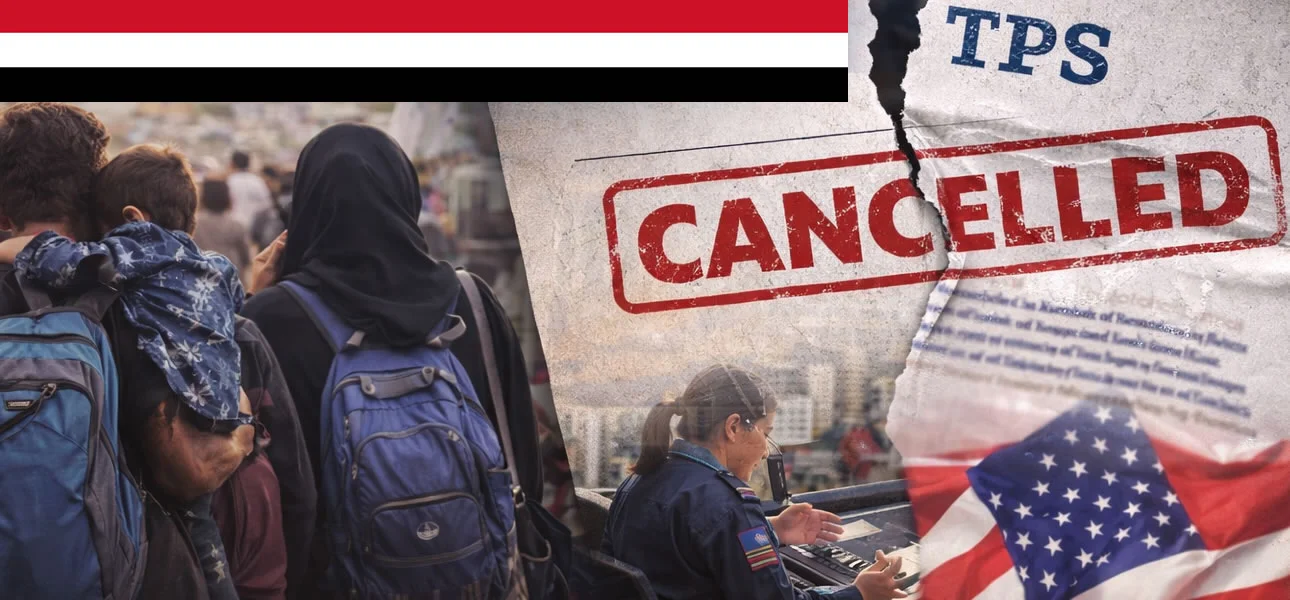
Homeland Security Secretary Kristi Noem determined that Yemen no longer meets the conditions for TPS designation and announced her decision to cancel TPS for Yemen on February 13, 2026.
Yemen's designation for Temporary Protected Status (TPS) will end on March 4, 2026, 60 days after the publication of the notice in the Federal Register. Foreign nationals can use the CBP Home app to report their voluntary departure from the United States when their status ends.
• What is TPS and why does it exist?
• Reasons behind the decision
• Impact on beneficiaries
• Steps to follow
• What legal options do Yemenis have after the end of TPS?
• Frequently Asked Questions
• Conclusions
Temporary Protected Status (TPS) is a humanitarian program created by the United States Congress in 1990 that allows citizens of certain countries affected by armed conflict, extreme natural disasters, or other dangerous situations to live and work legally in the U.S. temporarily without being deported./p>
While a country is designated for TPS, its nationals can avoid deportation, obtain employment authorization, and in many cases, apply for travel documents. ↑
The termination is based on two main pillars analyzed by the US government:
1. Improvement in armed conflict conditions: The DHS concluded that the situation in Yemen no longer represents a continuing armed conflict that poses a serious threat to the personal safety of returning nationals. Although sporadic incidents persist, there has been a significant reduction in violence since the UN-mediated ceasefire in April 2022, which has maintained relative stability on the battlefronts.
2. United States National Interest: The Secretary determined that allowing Yemeni nationals to remain in the country under TPS is contrary to the national interest. Factors cited include::
It is estimated that there are approximately 2,810 current beneficiaries and some 425 pending applications that will be affected by this measure. Once the termination takes effect, beneficiaries will revert to the immigration status they held before TPS (provided it remains valid) or to any other legal status obtained during their stay. ↑
The official termination will take effect 60 days after publication of the notice in the Federal Register. During this time, an orderly transition plan has been established:
Following the official termination of Temporary Protected Status (TPS) for Yemen, beneficiaries have the following options and legal considerations to determine their continued presence in the United States:
After the 60-day period expires, those who do not have another valid legal status or have not obtained a different legal basis to remain in the country will lose their authorization to live and work in the United States. The Department of Homeland Security (DHS) has indicated that affected individuals can find more information on the USCIS website or by contacting its call center. ↑
The termination will be effective 60 days after the official publication of the notice in the Federal Register. During this grace period, beneficiaries retain their legal status.p>
Employment Authorization Documents will be automatically extended free of charge for the 60-day transition period. After that date, the permit will become invalid.
TPS alone does not provide a direct path to permanent residency. However, if you obtained another legal basis while you had TPS (such as a family-based or employment-based petition), you may be eligible to adjust your status.
Upon expiration of the term, the individual loses protection against deportation and authorization to work, remaining in an irregular immigration status unless they have applied for another immigration benefit..
The DHS determined that armed conflict conditions have decreased since the 2022 truce and that maintaining the program is contrary to the national interest due to challenges in identity verification and national security.